Bacon 101
How is the bacon shipped?
In warmer months (early April to mid September), we ship bacon with two business day service plus warm weather care. The bacon may arrive warm, and that’s completely normal! Dry ice will evaporate, ice packs may melt, but they will have done their job of preventing the bacon from cooking on its journey.
The rest of the year (late September to the end of March), the shipping method will be flat rate service (1-4 business days).
My bacon arrived warm – is it safe?
If your bacon arrives at room temperature or warm – that’s totally okay! Your bacon can take the heat because it’s cured. Curing keeps meat safe by making it inhospitable to the microbes that would otherwise cause rot. Most commonly, this is done by salting, smoking, and drying. When cured slowly and traditionally, these techniques not only make the meat safe to keep, they also make it extra delicious.
If the packaging is puffy or torn, if the color looks grey or un-bacony, and/or if there are any unusual odors, then that means the bacon might not have survived the trip. Let us know and we’ll make it right!
But this bacon package says uncured – what does that mean?
In the U.S., “cured” is not just a word to describe salami, ham or bacon. It’s also a regulatory label enforced by the USDA. To count as cured in their eyes you have to use nitrates from specific sources. Salt and saltpeter count. Celery, beet, and spinach – all naturally occurring sources of nitrates – don’t, which is why you’ll often see the oxymoron “uncured bacon” on some labels. Let me assure you – uncured bacon is cured. You can’t make bacon without curing it. Uncured bacon would just be called pork belly.
How should bacon be stored?
You can store the bacon in the refrigerator or the freezer. Once the bacon is opened, it will be good in the fridge for about a week. Unopened bacon in the vacuum-sealed package will keep for about 3 weeks in the fridge and up to 12 months in the freezer, so seize the opportunity to stock up!
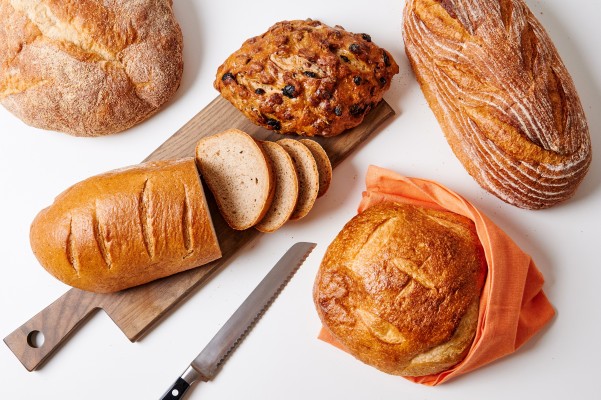
Bread by mail? Really?
We ship thousands of loaves every year to bread lovers nationwide.
Our artisan bread is baked down the road from us at Zingerman’s Bakehouse. We ship bread using two business day service – nothing slower. Our bread doesn’t have any preservatives, so we use expedited shipping to help ensure it arrives in great condition.
The bread will last on the counter for a few days in its Zingerman’s bread bag.
It does not need to be refrigerated – in fact, we recommend you avoid the fridge! Refrigeration will wreak havoc on the texture.
If you want to keep the bread for more than a few days your best bet is to freeze it.
Double bag the loaf—or part of it—in plastic and freeze for up to three months.
All of our full-flavored breads are completely baked all the way so reheating is not necessary.
You can eat the bread right out of the bag (ripping pieces or cutting slices – no judgment here). If it seems a little hard or dry, that’s because the thick, crisp crust is meant to protect the bread. Just like the rind on a natural cheese, real bread has very real crust to protect the inside of the loaf from drying out.
We only suggest that the bread will give you the “just out of the oven” experience… if you reheat it in the oven.
For a warm crackly crust and a soft, chewy crumb, we suggest putting your loaf (whole, half, or part) in a 350 degree oven for approximately 15-20 minutes. If you’re pulling bread out of the freezer, let it defrost for about 30 minutes before throwing it in the oven.